12 hardware projects — architecture to production.
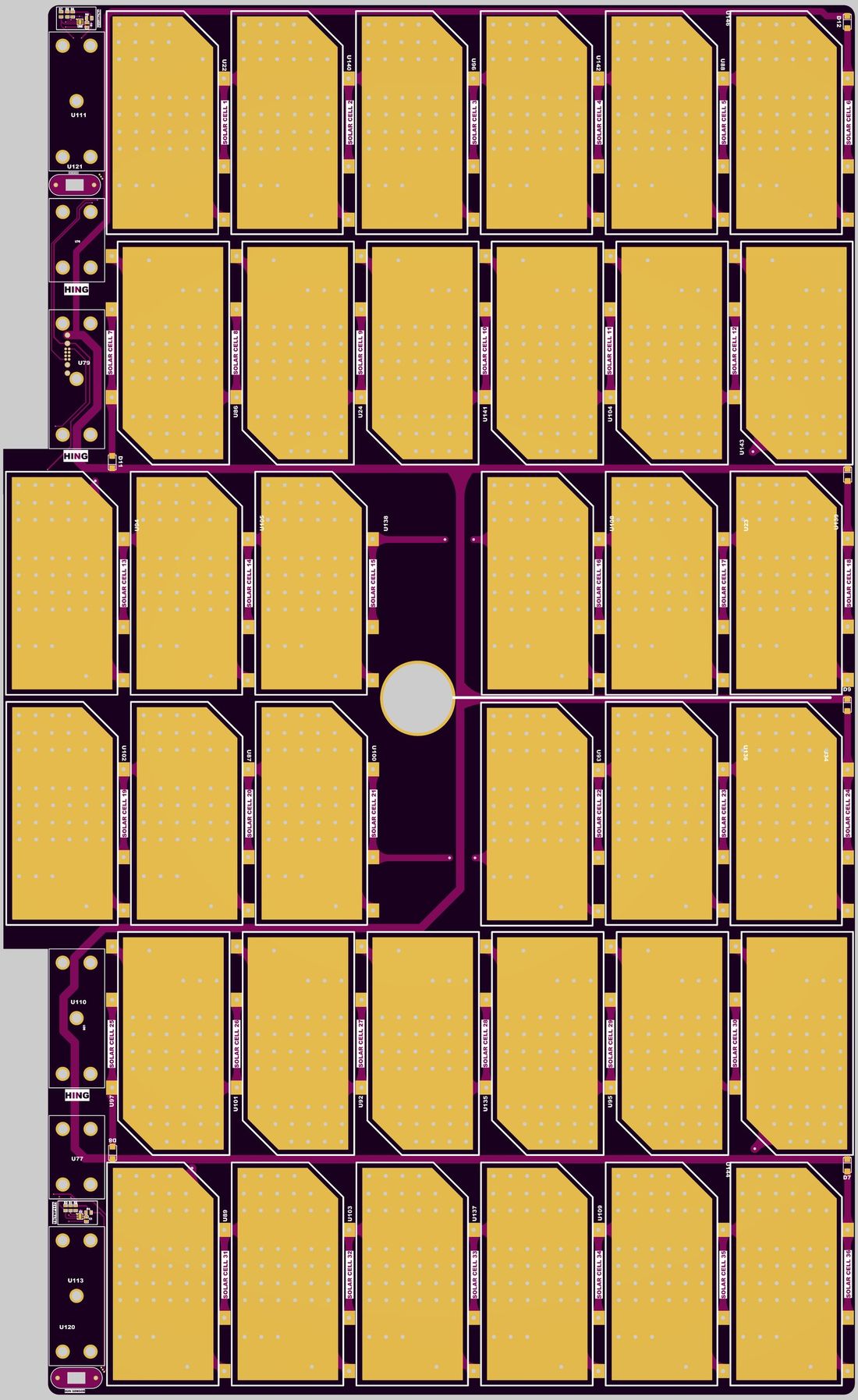
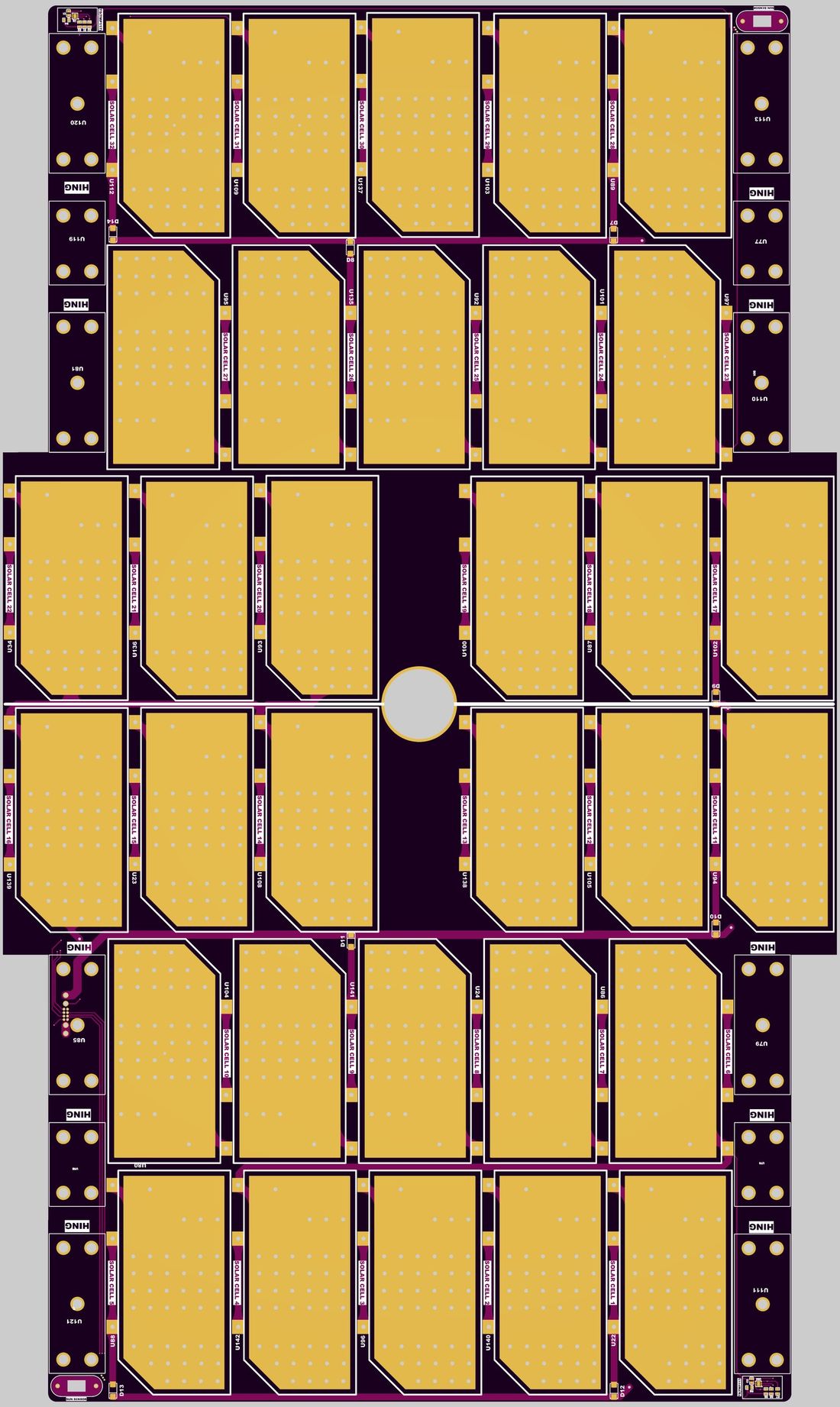
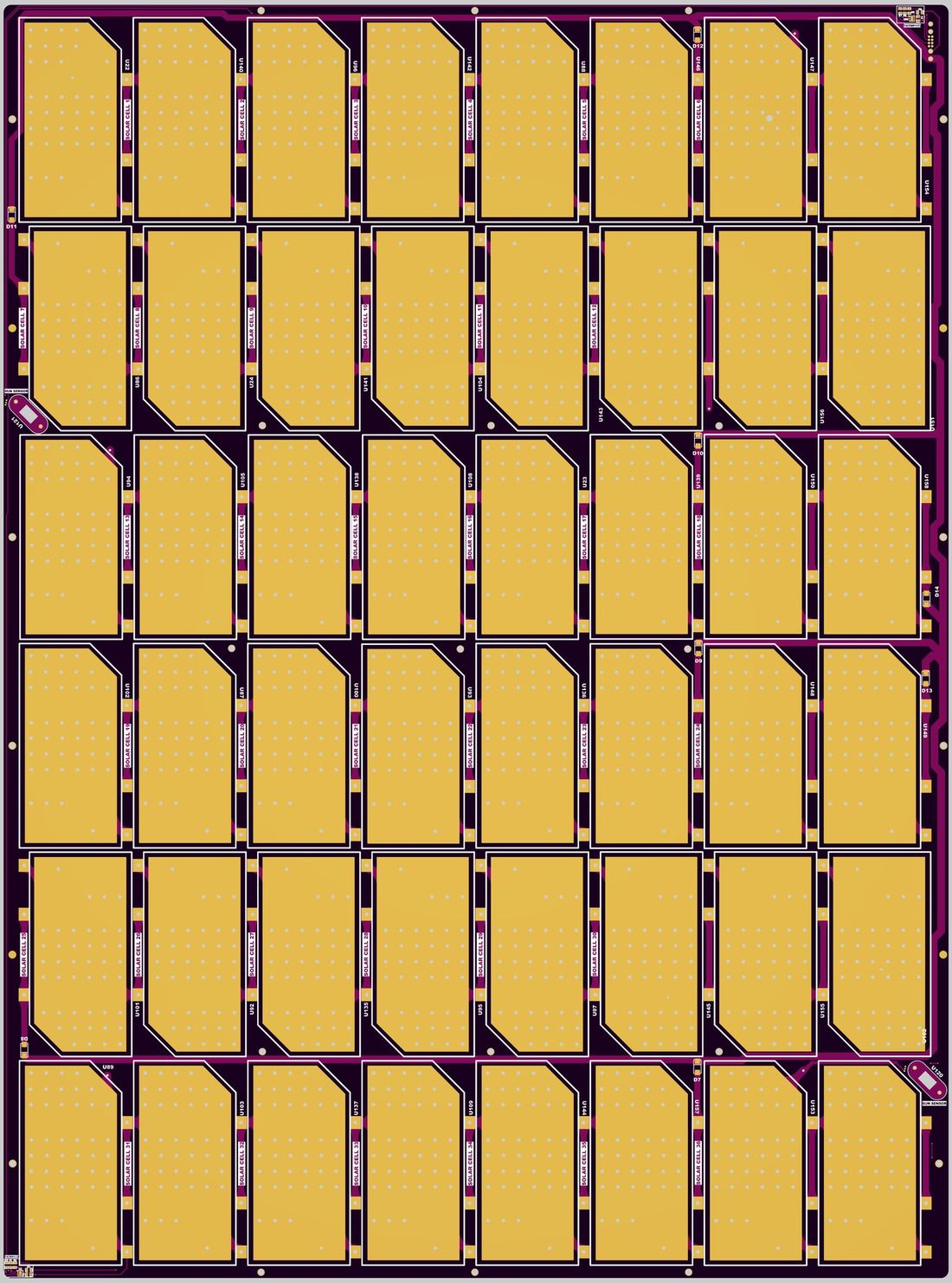
A five-panel, 184-cell spacecraft solar array built on AZUR SPACE 3G30A triple-junction GaAs cells — sized, strung and routed for a 2-week LEO direct-solar-feed mission, delivered with a full design and specification report.
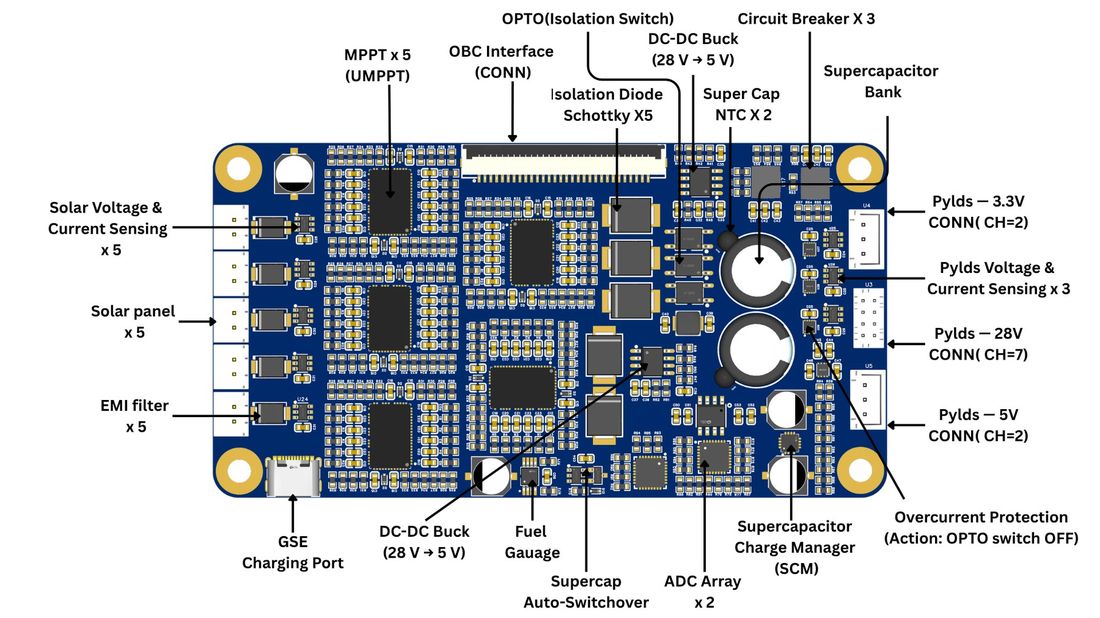
A Power Conditioning and Distribution Unit for a 2-week LEO CubeSat mission — five independent MPPT channels combined onto a regulated 28 V bus, with supercapacitor transient buffering and full protection.
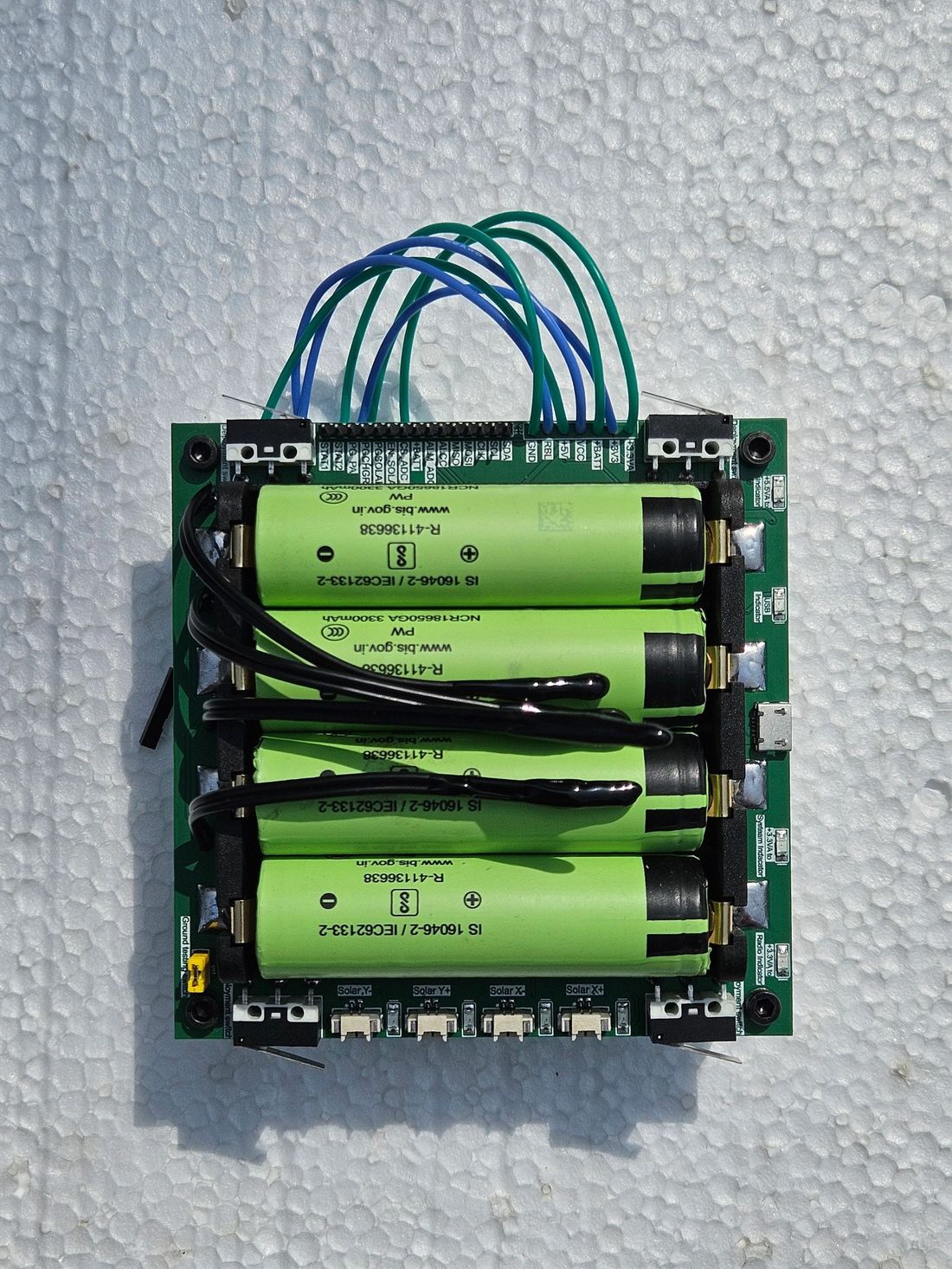
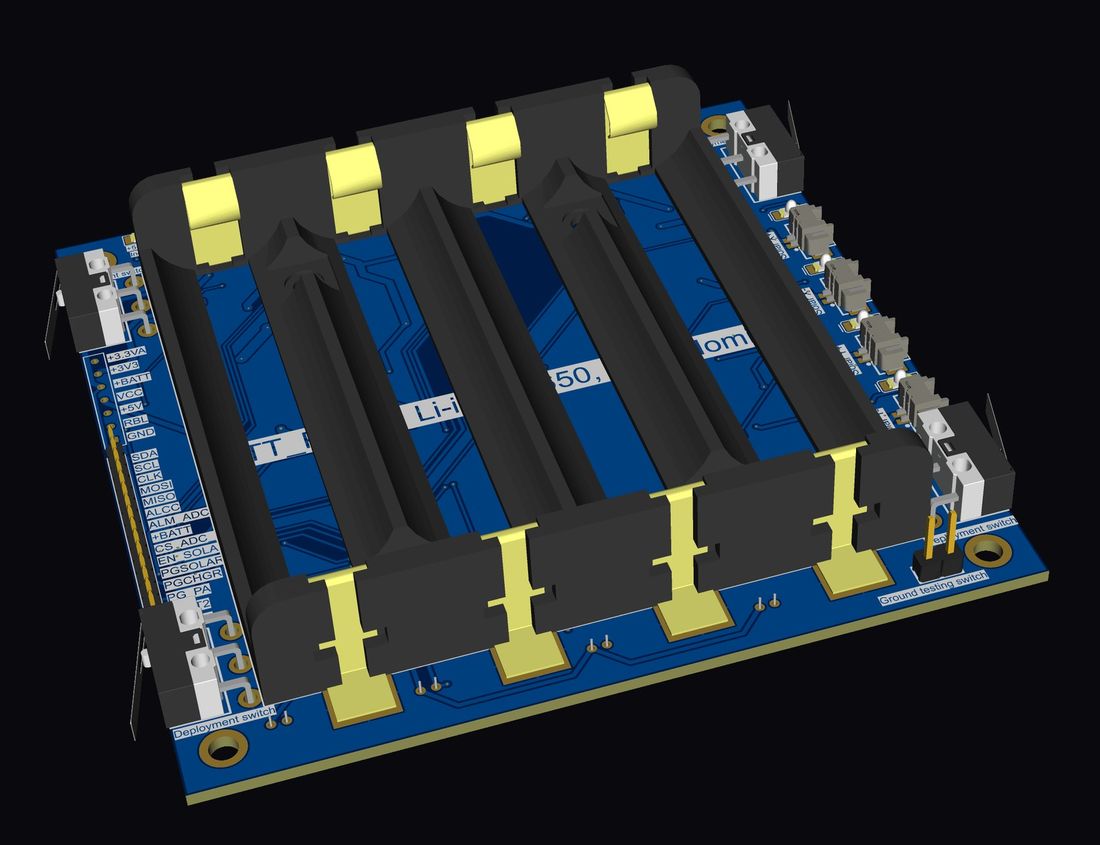
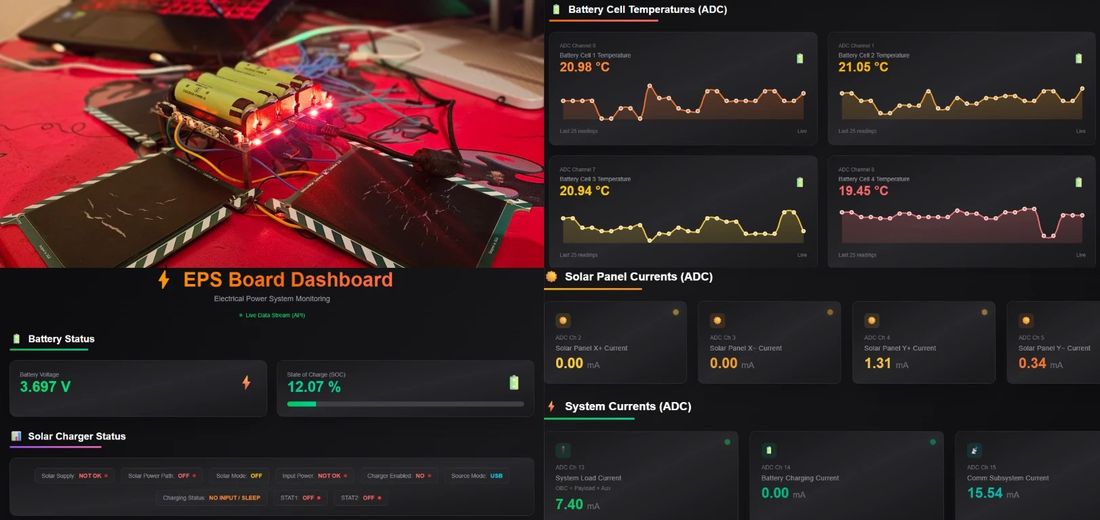
A flight-ready Electrical Power System for a 1U CubeSat — distributed N-1 redundant architecture taken from reliability modelling through schematic, 96×96mm PC-104 layout, assembly and live telemetry.
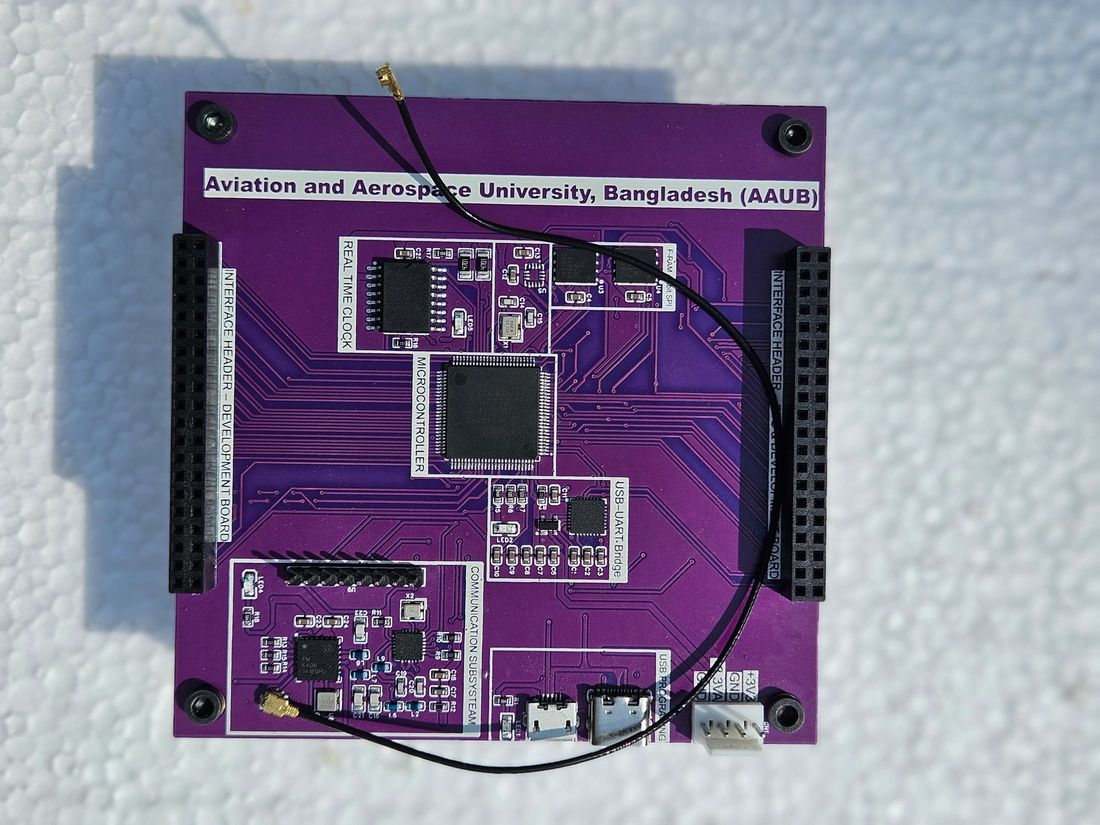
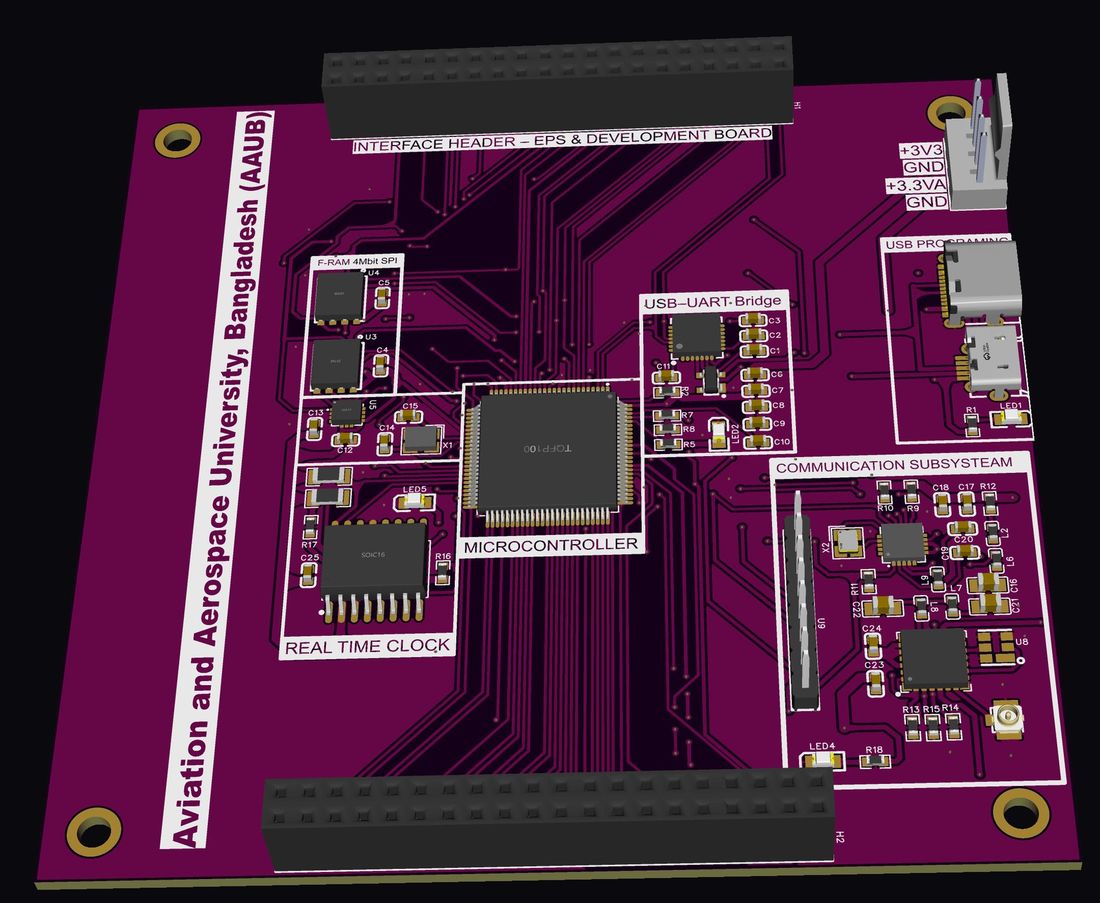
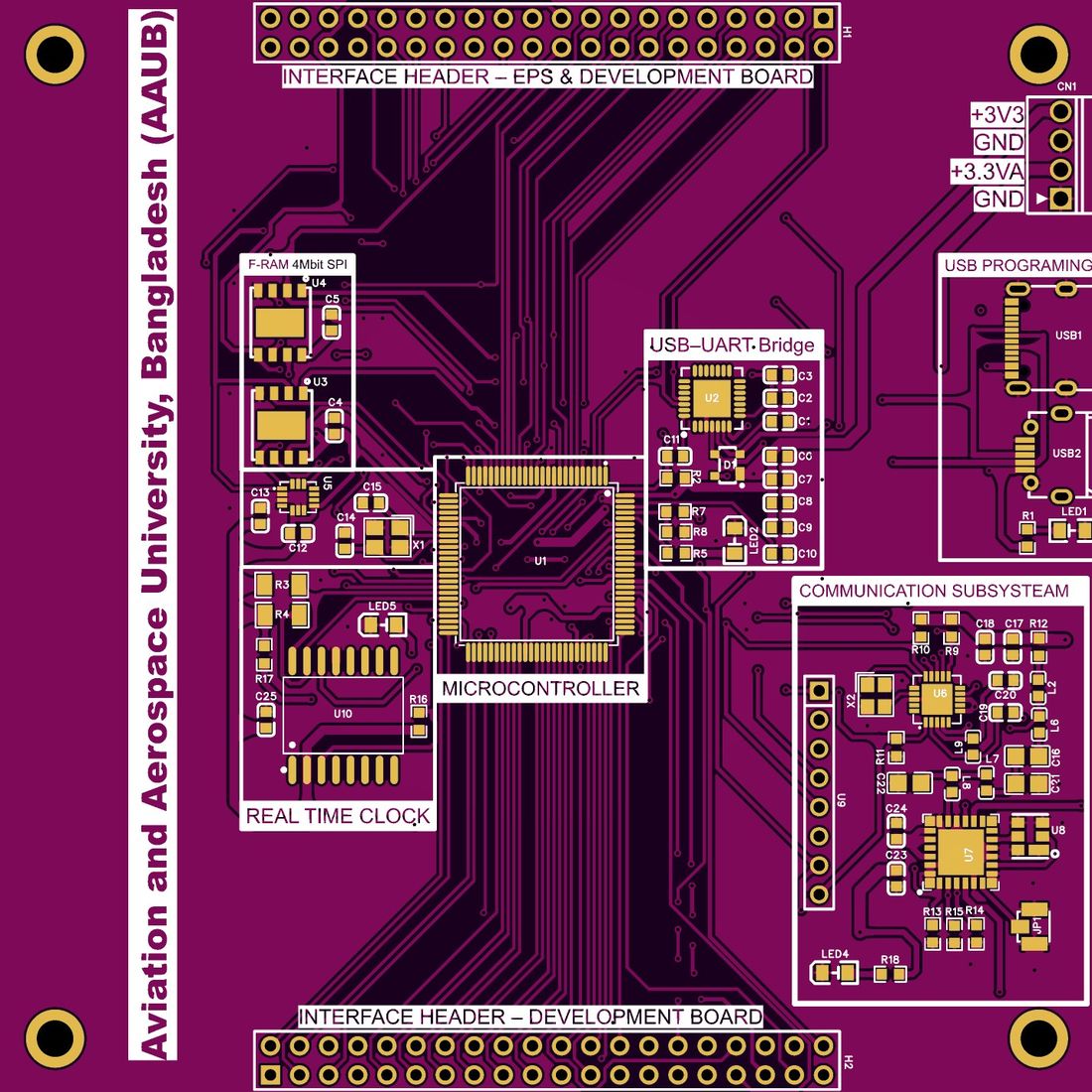
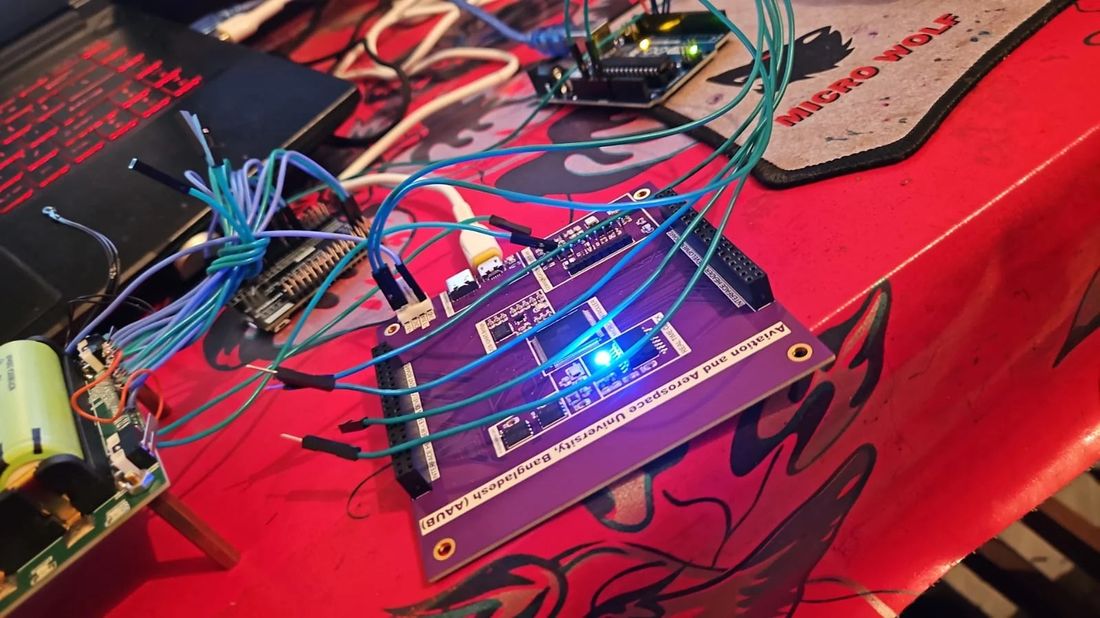
A flight-ready On-Board Computer and UHF radio for a 1U CubeSat — full schematic design, component selection, multi-layer layout and EPS integration, taken through fabrication, assembly and live bench bring-up.
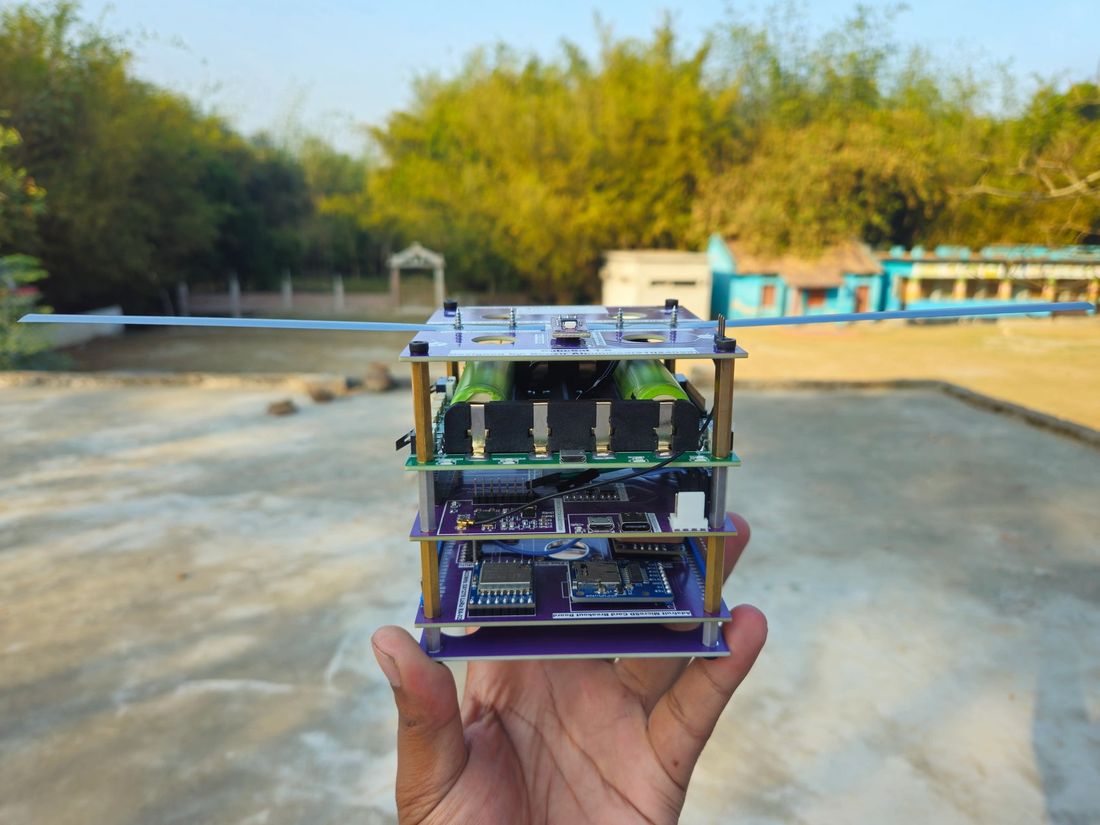
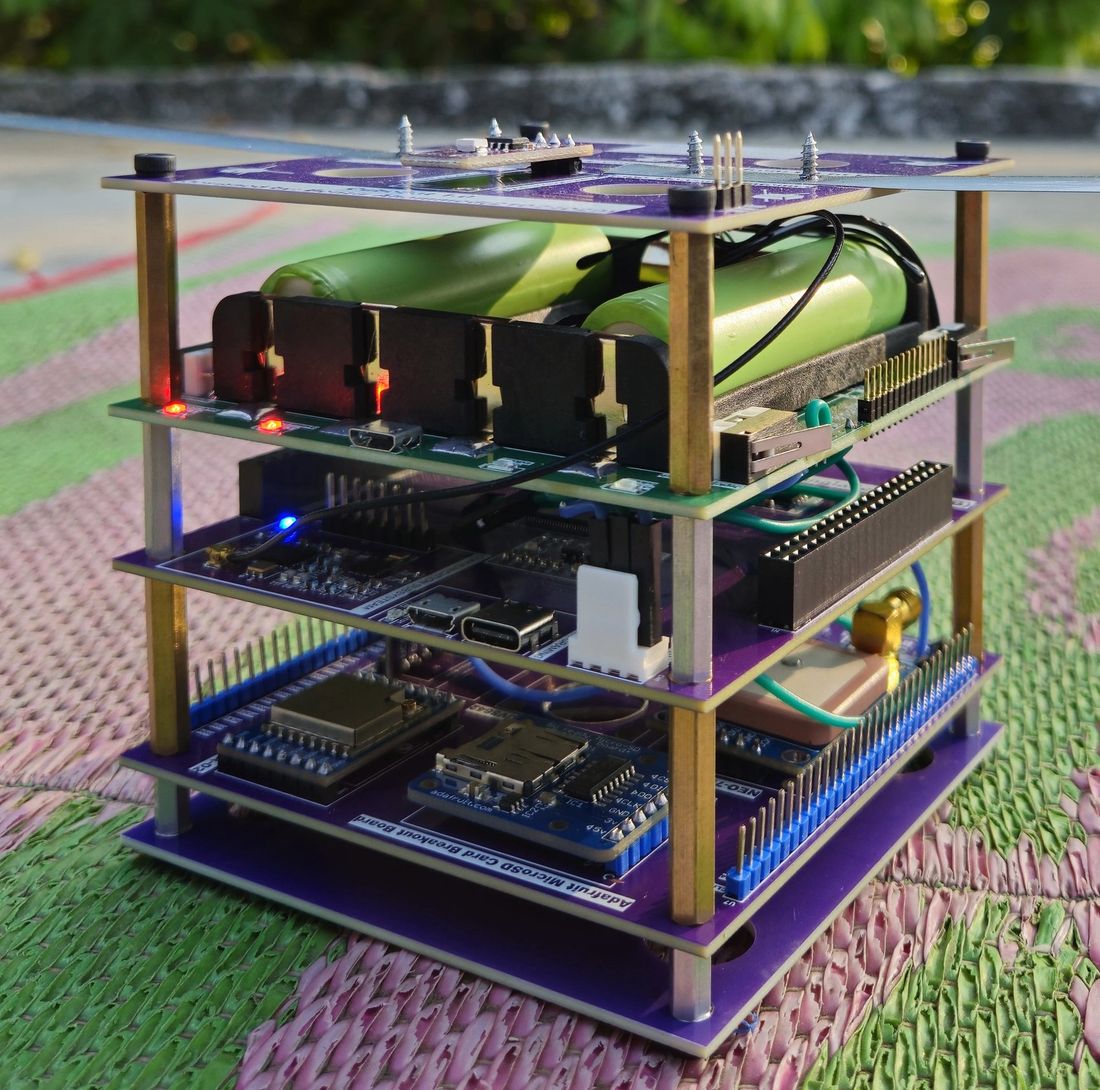
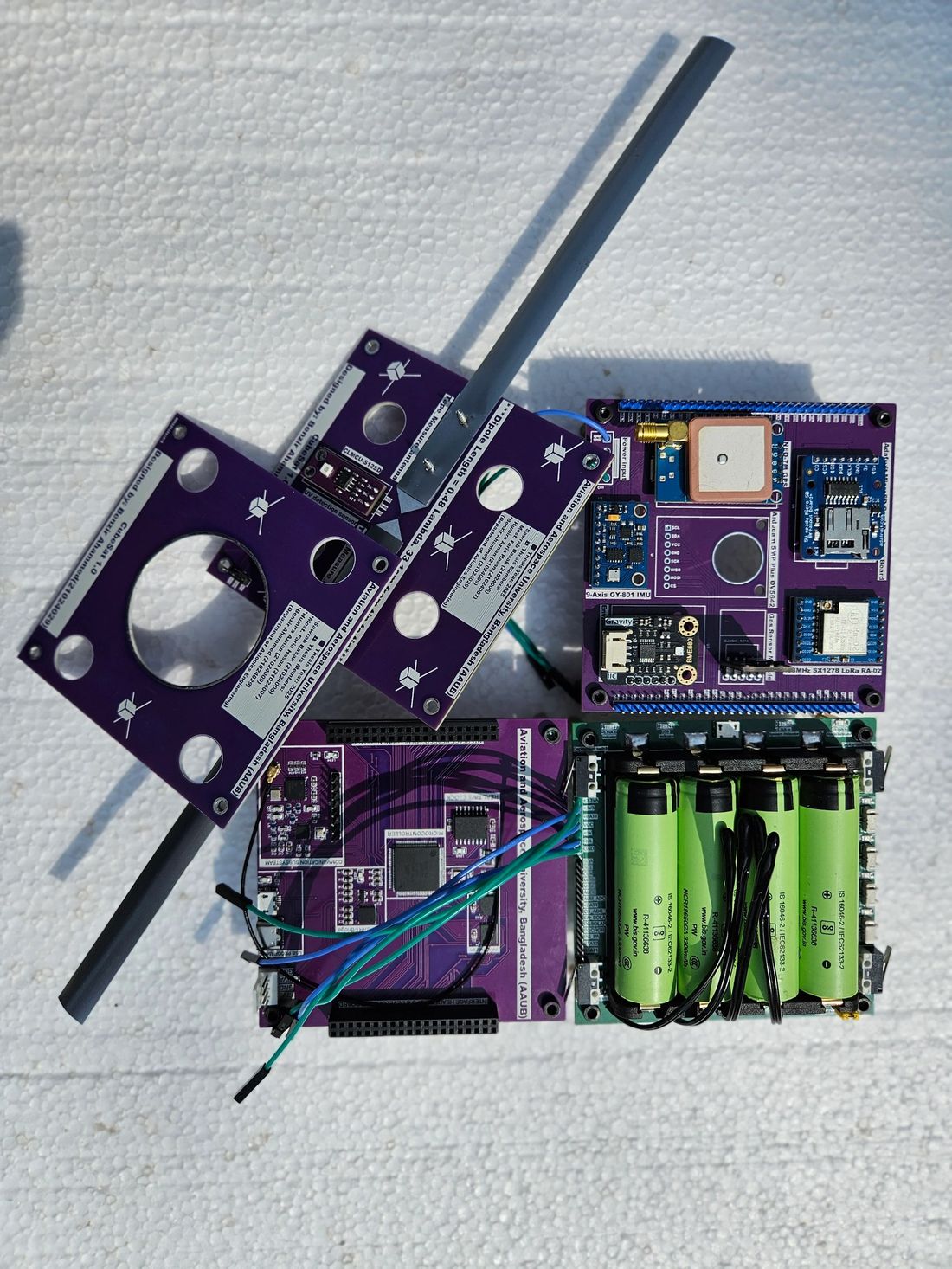
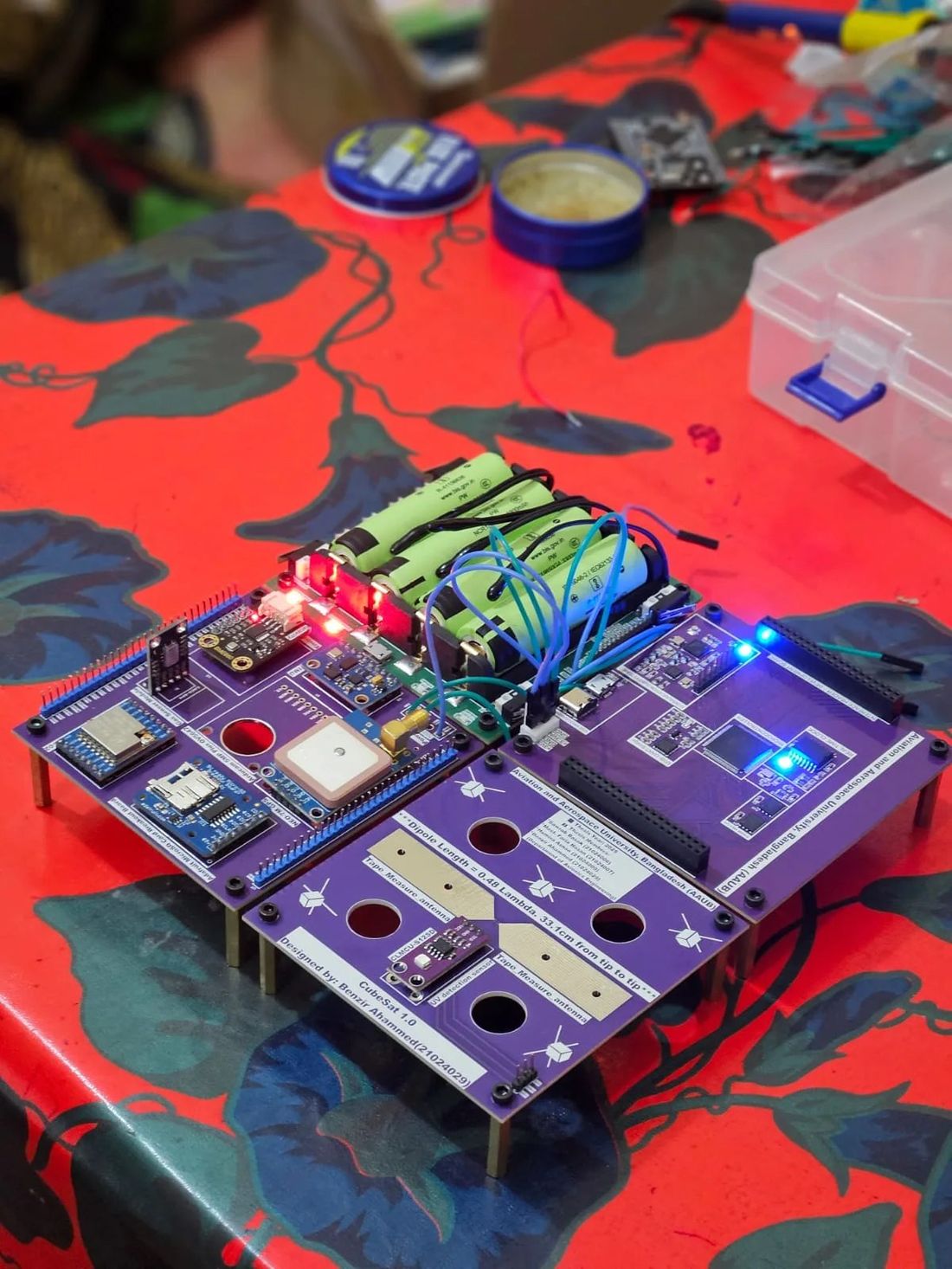
A complete flight-ready 1U CubeSat — EPS, OBC, Radio, Antenna and Science Payload, every subsystem architected, designed, fabricated and validated as one integrated PC-104 stack.
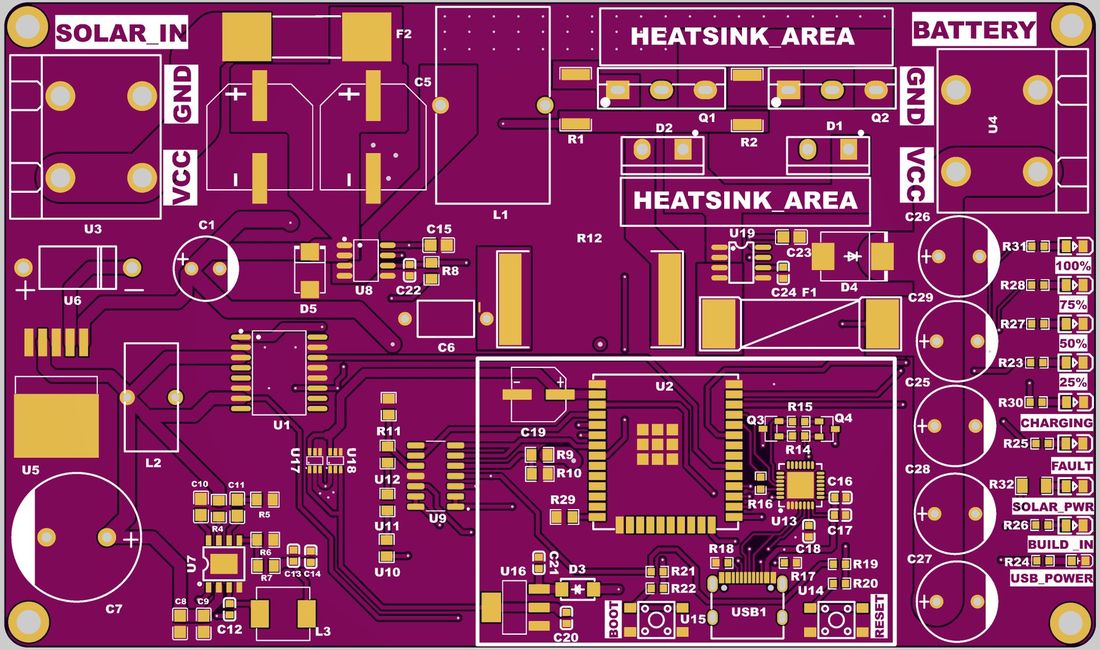
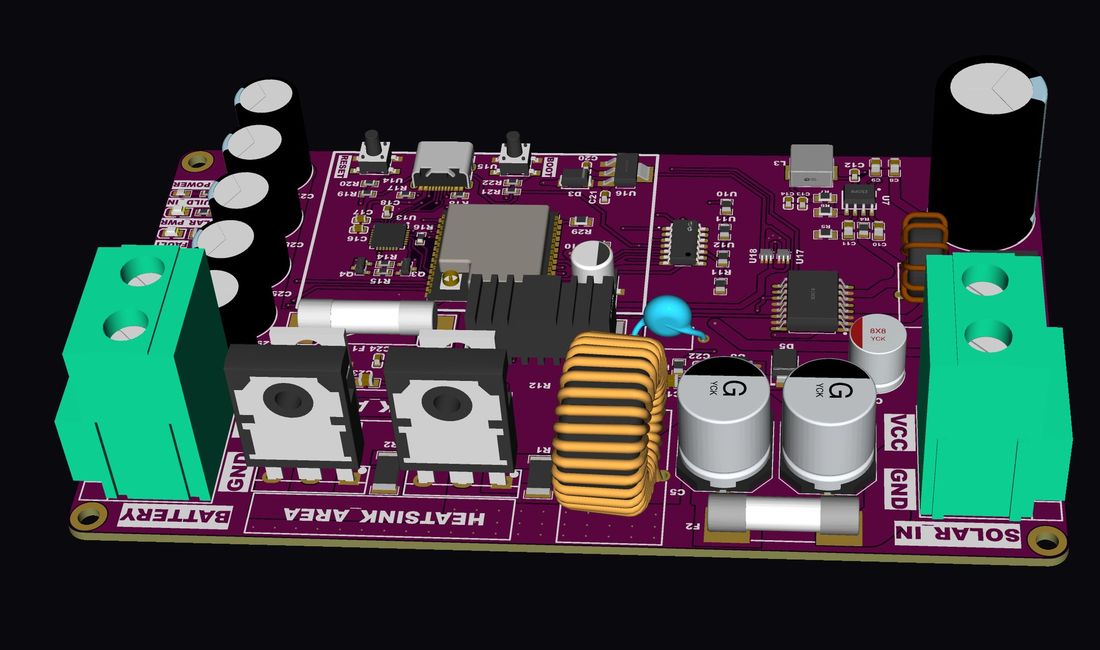
A microcontroller-driven boost converter charging a 45-cell LiFePO4 pack directly from a solar array, delivered with a 33-page design report traceable to manufacturer datasheets.
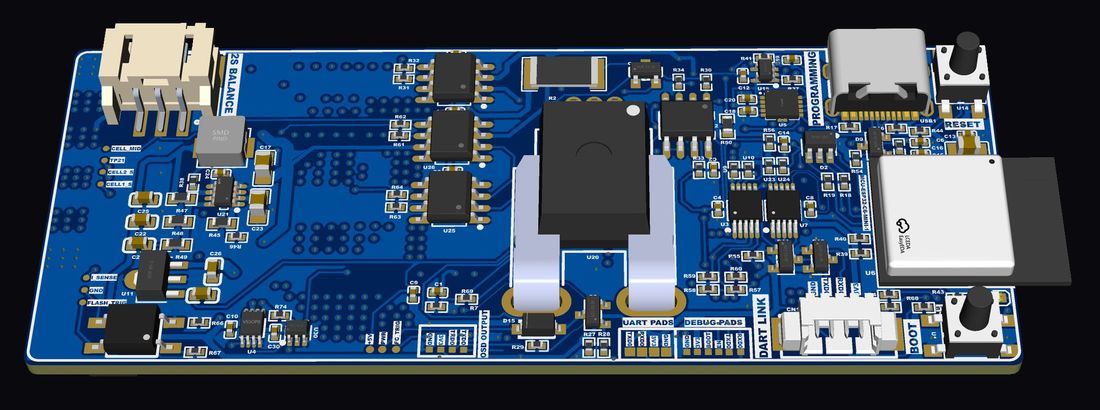
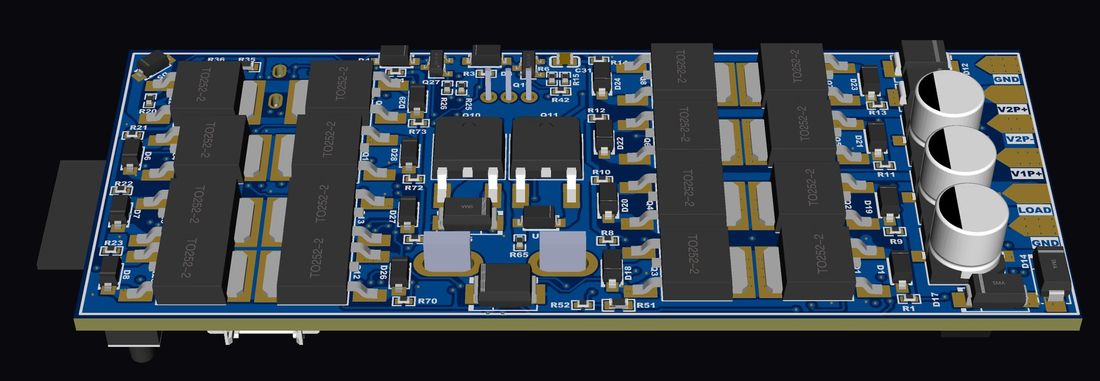
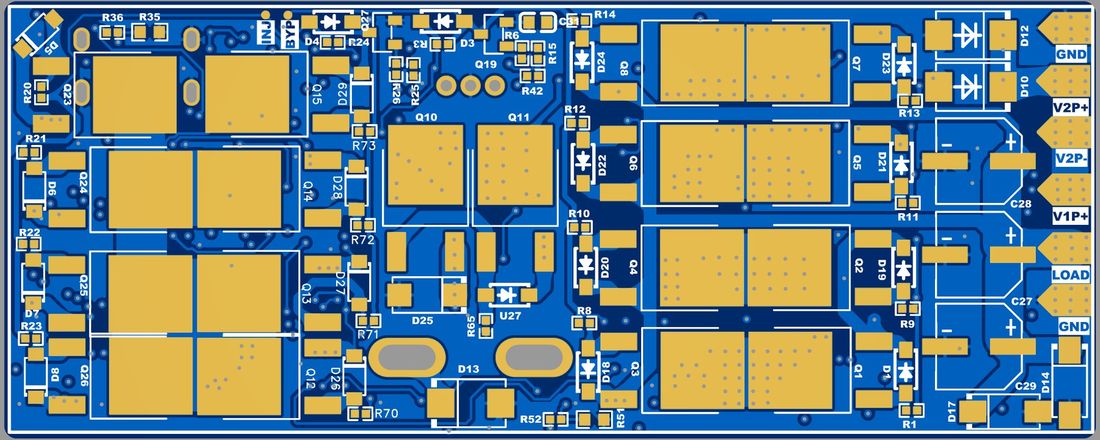
A bidirectional battery power-boost module that series-injects a 2S booster pack onto a 4S main pack for burst propulsion — sixteen paralleled power FETs, hardware-latched protection and full analytical verification.
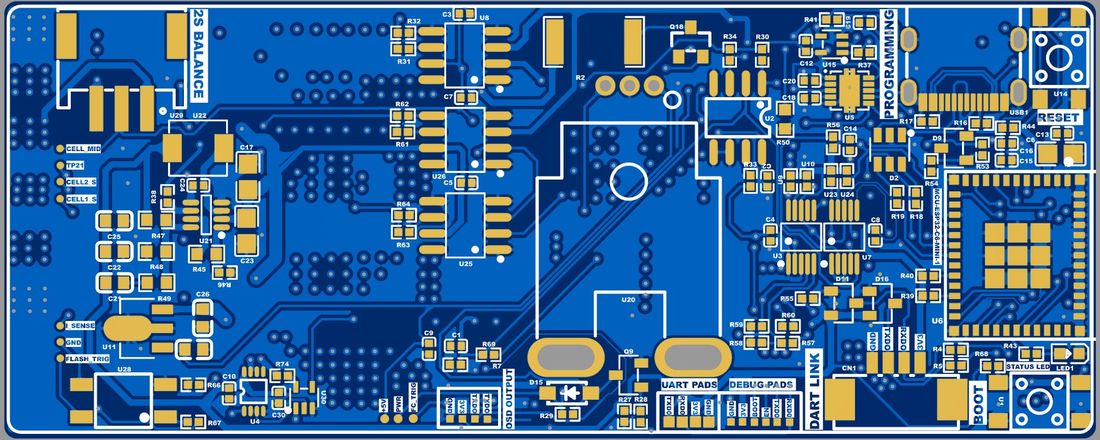
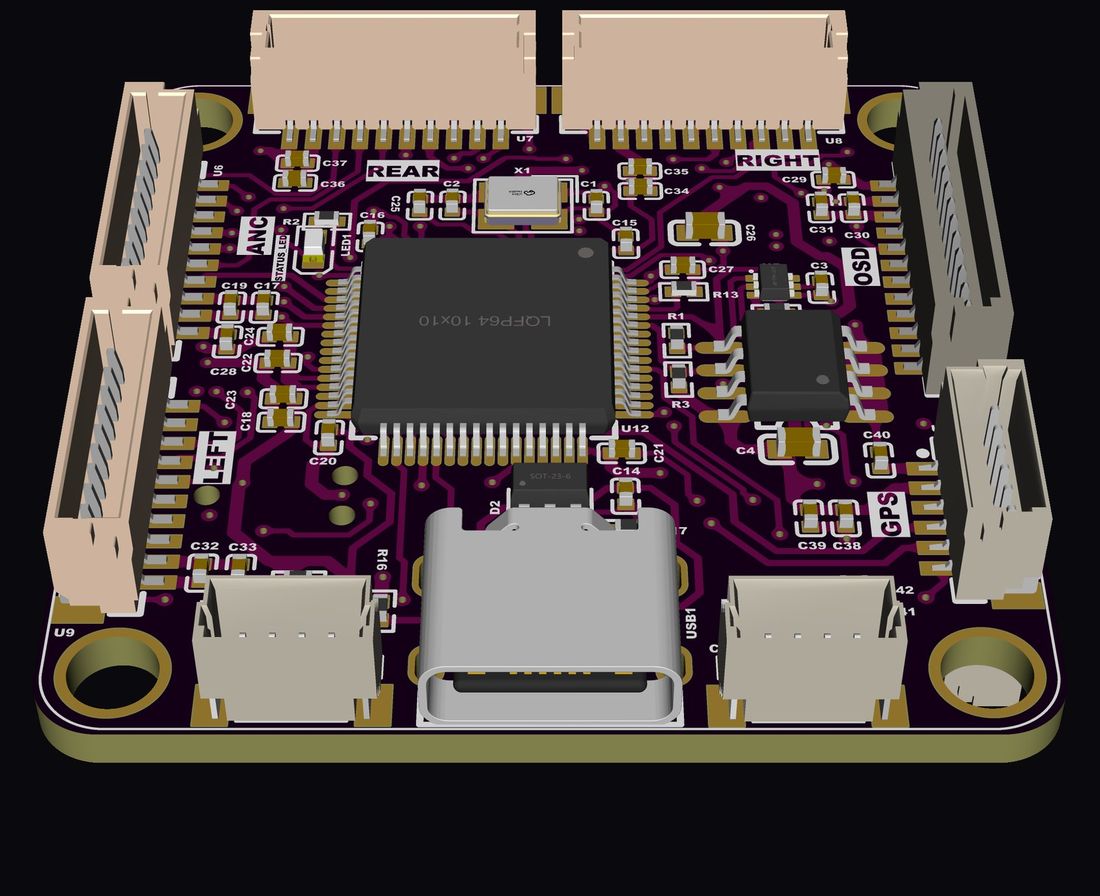
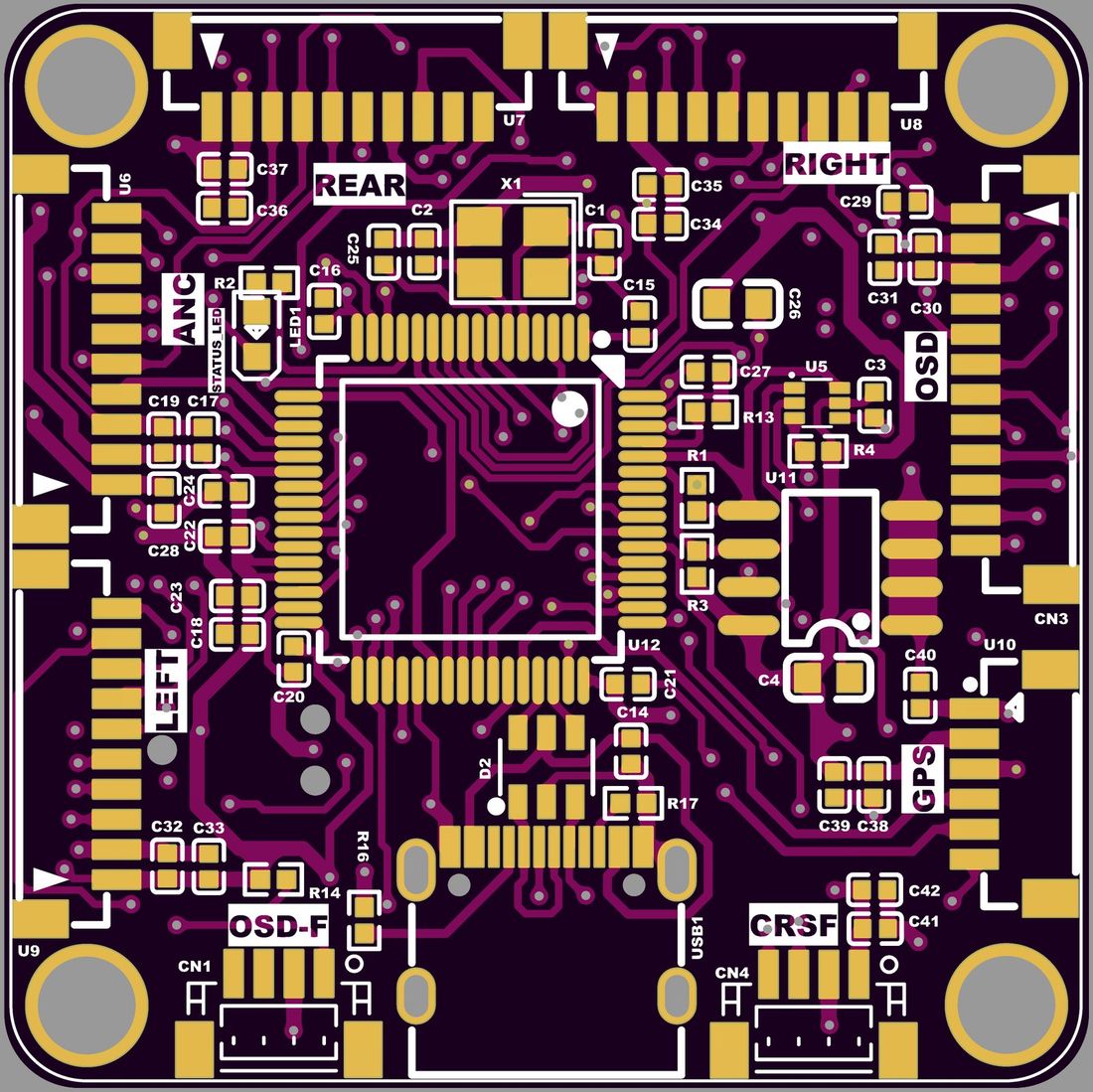
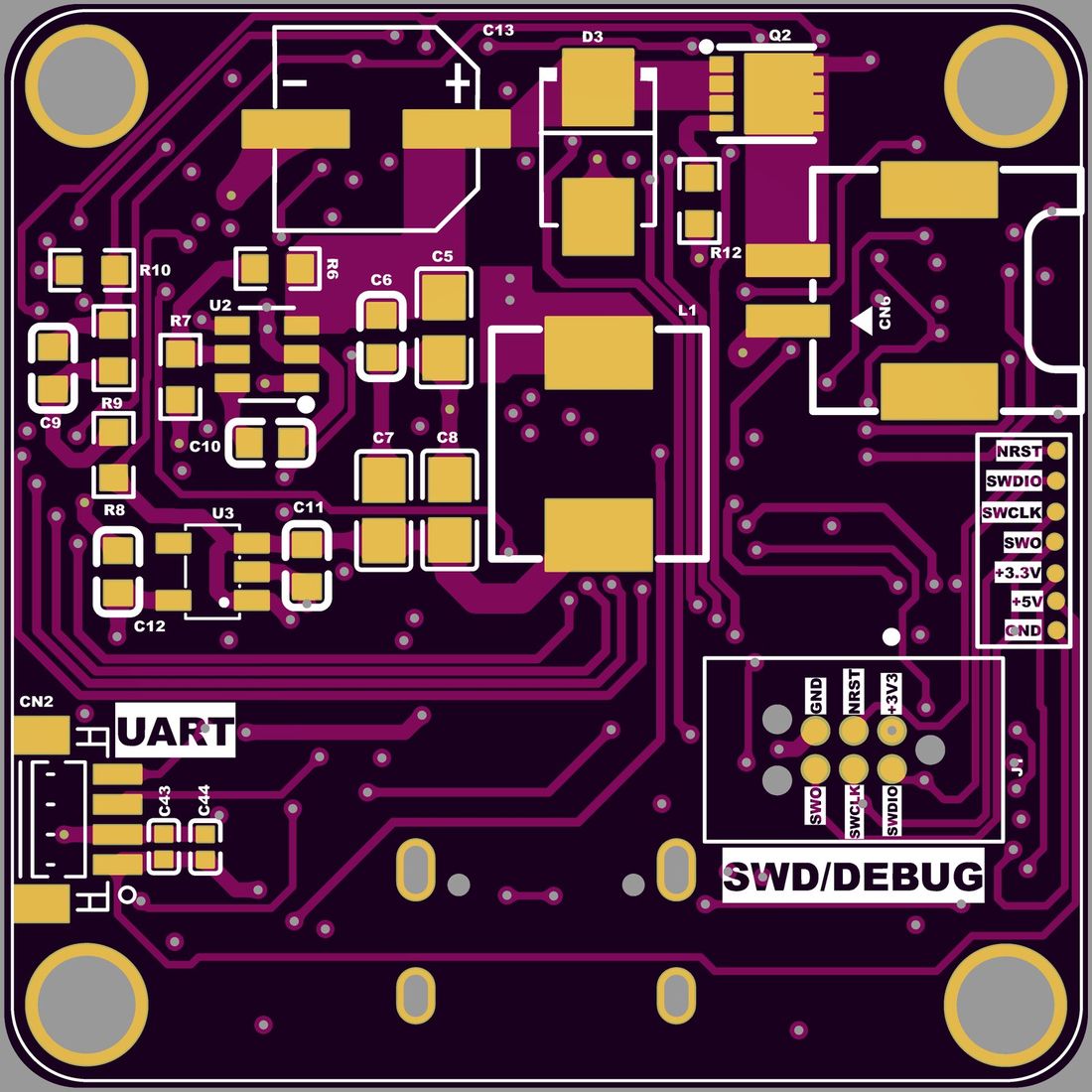
A compact flight-controller-class board that measures aircraft bearing with a UWB radio array, sits inline on the pilot's control and video links to overlay warnings — with hardware fail-safe bypass.
A complete flight-ready CanSat avionics suite — six circular boards designed from scratch under strict size, mass and reliability constraints, flown in international competition against a global field.
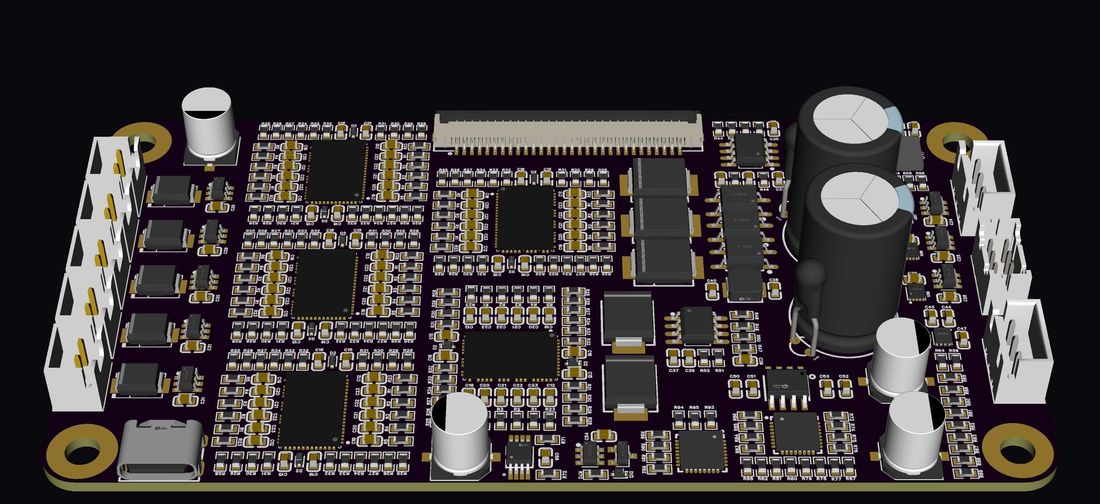
The complete electrical architecture for an indigenous Mars rover — four custom boards carrying autonomous compute, manipulator control, science instrumentation and high-current drive.
An ultra-low-power dual-protocol wireless sensor node running for years from a single AA cell — printed 2.4 GHz antenna, matched balun and a boost front end that runs down to 0.7V.
A microwatt-class solar harvesting front end with MPPT, sodium-ion charging and an ESP32 power interface — the same photovoltaic conversion discipline as spacecraft arrays, at the opposite end of the power scale.